



Where Super Skunk comes from
Super Skunk pairs Skunk #1 with Afghani. In the original breeding account, Sensi Seeds describes selecting an Afghan parent from a resinous hash plant family to bring a stronger Afghan influence to the Skunk line. Skunk #1 is therefore both a recognizable name in its own right and one of the parents of Super Skunk. The two names refer to different entries in a cultivar library.
The family is associated with a pronounced skunk aroma. Breeder descriptions of Super Skunk flower also point to earthy and sweet notes. The balance depends on the selection and batch, and those descriptions are most useful as background for the cultivar. Dom Jackson identifies Super Skunk on an extract listing, where the finished product has its own appearance and batch profile.
Reading the terpene profile
The Dom Jackson profile lists beta-myrcene, beta-caryophyllene and d-limonene. On the Gas Whip Diamonds product card, those same names appear in shorter form as myrcene, caryophyllene and limonene. You may see either version when comparing the cultivar guide, a retailer menu or the package. The three names identify compounds in the profile, while a total terpene percentage describes their combined presence with other measured terpenes.
Myrcene is often associated with earthy aromas, caryophyllene with peppery spice and limonene with citrus. In the finished concentrate, those compounds are part of a larger mixture. The lot label is the reference for the product you have, especially if you are comparing a newer batch with a photo or an earlier sales sheet.
Super Skunk in Gas Whip Diamonds
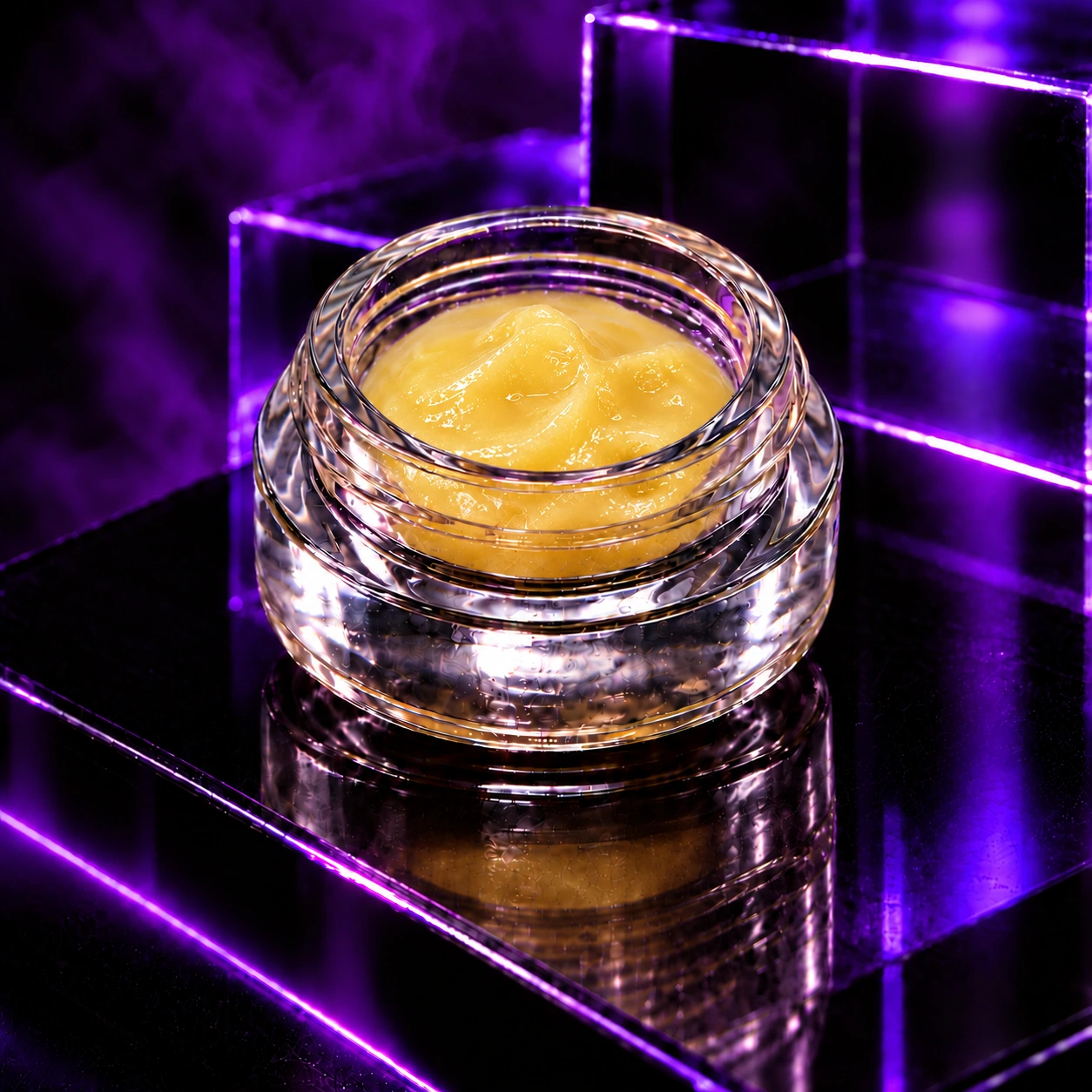
Dom Jackson uses Super Skunk for Gas Whip Diamonds, a FUME concentrate listed in a 1 g format in Ontario. The package and some product materials use the wording Gas Whipped Diamonds. If you are looking for the release on a retailer menu, the cultivar name, the FUME brand and the 1 g weight can help you recognize the listing even when the display name is shortened.
The product page above shows the jar and gives the format and listed market. Use the cultivar name to check the source genetics, and the product name to check the form you are looking at. A flower description from a breeder and a concentrate listing answer different questions about the same genetic family. Store inventory can change, so check the local menu for availability and refer to the package for batch details.