



Cultivar and lineage
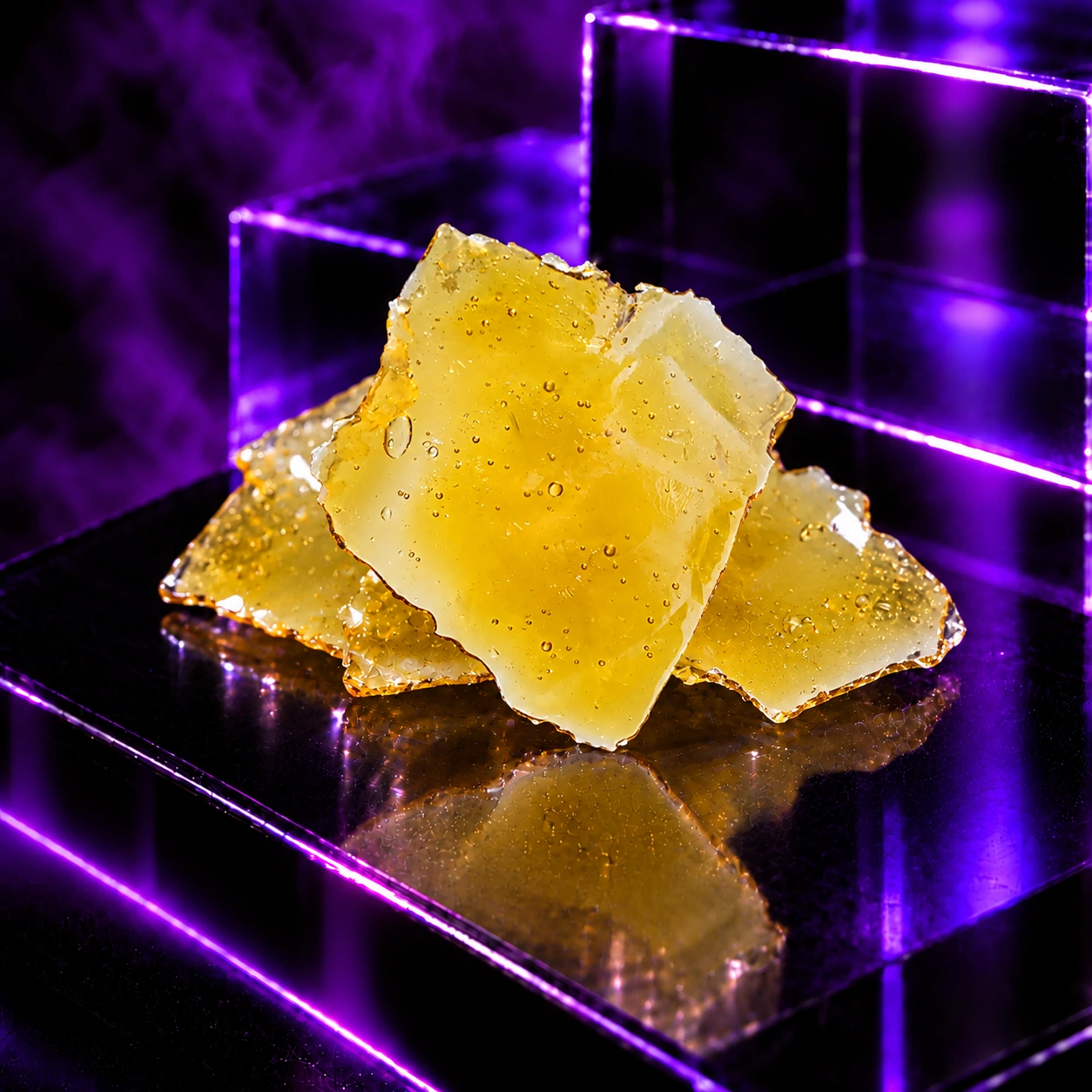
Lit Burger is the D. Burger × GMO cultivar listed for Flatline Indica Shatter. Flatline is a 1 g FUME concentrate. The release card describes diesel, garlic and earth, which gives context for the aromatic profile recorded for this product.
The release record lists D. Burger × GMO. The cross describes the cultivar’s parentage. The product name, weight and lot number identify the specific Dom Jackson release made from it. Those details are useful together when the same cultivar name appears under different products on a retailer menu.
Terpene profile and batch details
The documented profile lists D-limonene, Beta-caryophyllene, Linalool. These names identify compounds recorded for the cultivar or its release. They give you a way to compare the profile across product materials, while the current package identifies the amounts for the specific lot where those amounts are listed.
When comparing packages, distinguish the names of individual terpenes from a total terpene percentage. The named compounds describe the composition of the profile, and the total refers to the measured combined amount. The lot number and package date help you tie those details to the product in your hand.
Dom Jackson formats and listings
This guide connects Lit Burger to Flatline Indica Shatter (1 g). Open the product cards above for the format, package imagery and market listing. The region shown on each card belongs to the cultivar rotation described here. Retail inventory can vary by store and the cultivar on a rotating product can change with the release.
The shatter format is shown as a solid concentrate. The cultivar name provides the source genetics and Flatline identifies the finished release. When a retailer uses “Flatline” alone as the product name, check for the shatter format and 1 g weight before comparing the current lot with the product card.
The Flatline title card records the diesel, garlic and earth notes for this shatter release. Those descriptors sit alongside the cultivar and format details. Use the package label for the measured values on the lot, which can vary across production runs.
If a retailer menu leaves out part of the description, start with the product line and size. Confirm the cultivar on the package, then use the lot number for questions about the batch. The package guide in Dom Jackson Intel explains where to find these details and how the label is organized.